In the year 2019, K-Pop culture is not niche anymore. Hallyu (the Korean Cultural Wave), is creating waves all across the world. Artists like BTS have been breaking into the mainstream music industry to dominate charts worldwide and have even been awarded American Music awards. Other Korean groups like BlackPink and NCT are also gaining international acclaim. Embracing popularity, these Kpop groups have gained millions of fans across the globe and their mighty influence cannot be denied. Rarely ever, can twitter users scroll through their twitter timelines without coming across at least one kpop fan. While some of these artists can influence their fans in a positive manner, a few practices in Kpop media production follow certain conventions that can be harmful for the people engaging with kpop. This essay aims to explore a few of the ways in which the Korean Pop industry sexualizes and objectifies idols while normalizing a specific type of body shape and setting unrealistic standards of beauty.
So, what is sexualisation?
“Sexualisation necessarily lacks a single meaning, but instead speaks to the contradiction between established age and gender norms of feminine innocence and a shift in which learning to display signs of heteronormative sexual desirability has become a normative part of feminine enculturation.”
(Duschinsky, 2013)
This music video by the girl group ‘Sistar’ sexualises the girls, making them act overly ‘girly’ and ‘feminine’. The girls are shown sexily posing in front of washing machines, in a kitchen with whipped cream or in a bathroom with makeup brushes. This suggests that the stereotypical things girls are good at are household chores and looking pretty. The lyrics comprise of lines like “you like my lips? Or my body” and the constantly repetitive chorus “touch my body”. Paired with the highly suggestive dance moves and hip shakes, the entire music video sends the message that girls are nothing but objects of pleasure.
An example of gender stereotyping, Girls Generation’s Music video named Lion Heart projects the girls as extremely feminine damsels in distress who all fall in love with a man wearing a lion mask as soon as they see him. They’re seen sipping tea in pretty rooms or waiting in front of broken down cars for a ‘lion heart’ to come rescue them. This negatively portrays girls as weak and naive, who can be easily manipulated. While in another video called Gee, these girls are literally statues in a man’s shop. All these underlying themes objectify women, presenting them as mere pieces of decoration.
“Men see women as objects, while women see themselves and other women through a male gaze. In this way, media images have established an ingrained societal expectation for how a woman should appear and behave, which continually reinforces her subordination to a male audience.”
Berger, 1972 (as cited in Chong, Molyneaux & Fournier, 2012)
More often than not, the reason behind this sexualisation is that sex sells. In this video, Hyuna’s dancers are being sexualised through the dog collars and leashes on their necks. The pink masks covering their faces are motifs used to signify that women’s unique features and personalities are irrelevant. The only thing that matters is their bodies. This not only dehumanizes the dancers, but also represents the females everywhere. Although Hyuna could be perceived as the dominating woman who is challenging the stereotypes against women, she is ultimately controlling and whipping other women. The only guy in the video is surrounded by faceless females in their lingerie, showing off his prideful masculinity.
In this way, women are established as the second gender while being objectified. According to Heldman (2012), Sexual Objectification is the “process of representing or treating a person like a sex object, one that serves another’s sexual pleasure.” The issue of sexual objectification of women in the kpop culture can add to the problems relating to equal representation. In the patriarchal Asian culture, representing women as objects or the ‘other sex’ normalizes the idea that the genders aren’t equal after all.
“Whatever one’s view of the role of intimacy and sexuality in human society, it is difficult to imagine achieving gender equality when members of one group (women) can routinely be bought and sold by members of another group (men) for sexual pleasure.”
Jensen, 2016
If you could sit through this cringe-worthy video of idols acting like little kids, kudos to you. Welcome to the world of Kpop Fan-service. In kpop culture, the concept of ‘aegyo’ compels all the idols to “act like a child” so that they can please their fans. Their individual personalities, attitudes or even genders don’t matter! All idols are expected to act cute and childlike in the name of fan-service even though aegyo is mostly considered a feminine trait to charm older males. This phenomenon contradicts the tough masculinity standards of the west and introduces the concept of soft masculinity (Ainslie, 2017). Personally, I find it weird that these idols (often in their 20s) have to ACT like children on National Television and in front of 40 year old men who host shows like the weekly idol.
The Unrealistic Beauty standards
The idol worship among kpop fandoms is no secret to people aware of the culture and there have been many cases of fandoms sending death threats (allkpop, 2018) to people for ‘publicly’ admitting that they dislike their idols. The fans are highly protective of whoever they choose to like and often adapt to the ideologies of their favourite artists, aspiring to be like them and look like them. So the question is- exactly how safe is it, to let idols influence the masses when most of them are not even in control of their own daily life decisions? Not only does the sexualisation presented above set the expectations for what a female is “supposed to do”, Kpop culture has been setting the social standards of beauty for decades.

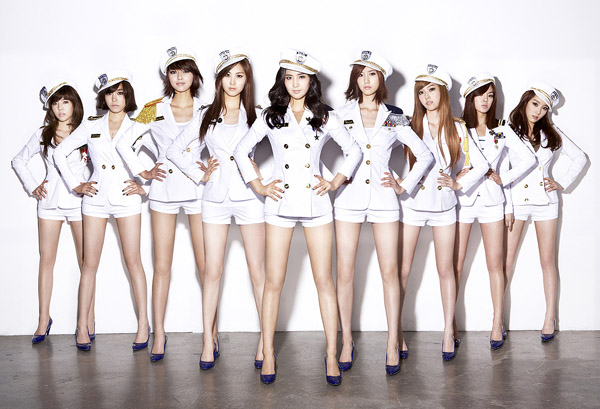
Did you notice the similarities in the previous videos? Yes, the kpop girl groups seem to have an ideal size and shape for the female body. All of the female idols seem to have the ‘perfect’ skinny and slightly curvaceous bodies. There is little to no variety in body shapes. The idols openly address their ideal body types and even reveal their secrets for their fans to follow. The prevailing secret behind these idols bodies is their extremely restrictive and deadly diets.

A dietitian reviewing a few kpop idols’ viral diets analyzed how these diets can be successful in losing weight, however it can lead to malnutrition and eating disorders like anorexia/basorexia which can cause serious health issues (BuzzFeedVideo, 2018). Despite the risks involved, the fans then follow these diets to achieve the “body goals” set by their favourite idols. A few of them go to the extremities of eating only 2 sweet potatoes with a protein shake each day. Ellebat (2018) tried this diet only to explain how ill she looked and felt in just 3 days. A video by Asian Boss (2018) interviews women in Korea to ask them about their ideal weight. Most of these women opt for an average of 50 kilograms regardless of their age and height measurements. While some of them address how these diets could be dangerous, the others explain how the reason for dieting is their personal goal of looking skinny like the popular celebrities they see on daily media. Instead of dieting for a healthier body, the celebrity influence is causing the fans to diet to look skinny.

“International Society of Aesthetic Plastic Surgery (ISAPS) states that Korea is the biggest market for cosmetic surgery in the world if population is taken into account. It has been found out that in Seoul, 20% of women from the age of 19 to 49 have undergone plastic surgery. That is 1 out of 5 Korean women!”
(Modernworkers, 2012)

Plastic surgery is also another aspect of the idols’ influence. Surgery is highly normalized in South Korea with about 20% of the female population having some form of procedure done. Not only that, there are a lot of Hotel Hospitals that offer affordable packages to people from all over the world travel who Korea for medical tourism (Kim, 2012). ABC News (2014) says that 7.5 million people worldwide have travelled to Korea to go under the knife. Being offered free plastic surgery, 75% girls said they would take the offer. (Elvino Harkov, 2018). In fact parents even gift their children plastic surgery as a graduation Gift! (SBS Dateline, 2013). With South Korea being the Plastic surgery capital of the World, there are over 300 surgery clinics in the district of Gangnam alone. Korean students in this next video by SBS Dateline (2013) mention how people want to have the features of certain famous celebrities.
“Korean society has become completely distorted by this rush to undergo surgery and, speaking personally, I believe it is very sad that it has shifted to the point that women are seen merely as sex objects that have to undergo the scalpel to be perfect.”
Emanuel Pastreich (as cited in Ryall, 2018)
While surgery is the new ‘normal’ for some people, there have been criticisms and ramifications about women becoming obsessed with the way they look. “Using a scalpel is a form of violence and degradation of women that makes their lives more superficial and less spiritual” says Pastreich (as cited in Ryall, 2018) as The Asia Institute and the Korean Peace Movement prepare for a “Peace March” through the Surgery capital of Gangnam. This movement has evolved from the #MeToo campaign however it isn’t targeting cosmetic surgery, its more about “the emotional insecurity that the industry promotes or the long-term negative impacts” (Ryall, 2018). In certain ways it is noticeable how the sexualisation of women in the kpop culture preys on the insecurities of other women. After getting surgeries, idols become the faces for advertisements so as to promote these clinics. (Nicki Swift, 2018). Dr.Kwon states that contemporary media is one of the reasons why people “care so much about their beauty” and get surgery done (Harper’s BAZAAR, 2018). Most idols also own cosmetic brands that sell beauty products worldwide.
The fact that needs to be more publicized is that these idols might not be choosing their diets or appearances on their own. Kpop idols sign contracts with their companies. The contracts allow companies to practice a lot of creative control with regards to the artists’ career. From album concepts and what they wear at award ceremonies and performances to what they eat for breakfast, lunch and dinner- the companies decide what their idols should look like. This video (Knet Enertainment, 2019) captures how girl groups across the kpop industry are sometimes made to wear ‘way too revealing and uncomfortable outfits’ to maintain their sexualised image. Idols have even admitted to getting plastic surgeries and practicing extreme diets on the recommendations from their companies (Nicki Swift, 2018). Despite their unhealthy diets, kpop idols are often overworked beyond their limits. There are multiple compilations (Ch Myeon, 2018), (Knet Enertainment, 2018) of idols fainting on stage. Some revealing afterwards, how they were on a diet. This issue became so serious that there were even laws (Lee, 2014) made to protect underage idols from sexualisation and overwork.
While there is no substantial research about it, the kpop culture’s representations are without a doubt having an influence on people’s perceived standards of beauty as seen through arguments throughout the essay. Perhaps this sexualisation is even leading to psychological issues concerning self-esteem and body image. There is a dire need of truer representations of both the genders. The girls in music videos could be portrayed a lot more independent. The idols themselves could be more realistic with their fans, suggesting healthier lifestyle routines. However, the trends seem to be changing with the new generation of artists like BTS who are promoting Self Love, #EndViolence and Soft Masculinity by partnering up with UNICEF and girl groups like BlackPink who sing about women empowerment. Maybe the industry is starting to change after all.
References:
ABC News. (2014, Jul 12). Seoul, a Plastic Surgery Tourism Hot Spot [YouTube Video]. Retrieved from https://www.youtube.com/watch?v=7ovyzkRmdVU
Ainslie, M. J. (2017). Korean soft masculinity vs. malay hegemony: Malaysian masculinity and hallyu fandom *. Korea Observer, 48(3), 609-638. Retrieved from https://gateway.library.qut.edu.au/login?url=https://search-proquest-com.ezp01.library.qut.edu.au/docview/2136873969?accountid=13380
Allkpop. (2018). Can exols stop sending death threats please. Retrieved from https://www.allkpop.com/forum/threads/can-exols-stop-sending-death-threats-please.133255/
Asian Boss. (2018, Feb 5). What’s The Ideal Weight For Korean Girls? | ASIAN BOSS [YouTube Video]. Retrieved from https://www.youtube.com/watch?v=B3x5tef8wv4
BuzzFeedVideo. (2018, Dec 28). Dietitian Reviews K-Pop Diets. Retrieved from https://www.youtube.com/watch?v=77Pp6sgBH1k
Channel Korea. (2018). 10 TYPES OF K-POP IDOL DIET PLAN AND EXERCISE (WORKOUT) TO LOSE THEIR WEIGHT [Image]. Retrieved from https://channel-korea.com/kpop-idol-diet-plan-and-workout/
Chong, C. , Molyneaux, H. and Fournier, H. (2012). Communication as Commodification. In The Handbook of Gender, Sex, and Media, K. Ross (Ed.). https://doi.org/10.1002/9781118114254.ch25
Ch Myeon. (2018, Dec 17). Kpop Female Idols Fainting Compilation. Retrieved from https://www.youtube.com/watch?v=kc0AQy268n8
Duschinsky, R. (2013). What does sexualisation mean? Feminist Theory, 14(3), 255–264. https://doi.org/10.1177/1464700113499842
DKDKTV. (2018, Jun 15). BLACKPINK – ‘뚜두뚜두 (DDU-DU DDU-DU)’ KOREAN REACTION / MEANINGS / LYRIC TRANSLATION [YouTube Video]. Retrieved from BLACKPINK – ‘뚜두뚜두 (DDU-DU DDU-DU)’ KOREAN REACTION / MEANINGS / LYRIC TRANSLATION https://www.youtube.com/watch?v=dJH0DQV624g
Ellbat. (2018, Apr 9). I TRIED THE IU (아이유) KPOP IDOL DIET AND THIS HAPPENED. Retrieved from https://www.youtube.com/watch?v=hJqvNNyMY0A
Elvino Harkov. (2018, May 3). Whats The Ideal Weight For Korean Girls? | ASIAN BOSS [YouTube Video]. Retrieved from https://www.youtube.com/watch?v=fZ8sO84TQi8
Harper’s BAZAAR. (2018, Sep 6). Why South Korea Is the Plastic Surgery Capital of the World | The Plastics | Harper’s BAZAAR [YouTube Video] Retrieved from https://www.youtube.com/watch?v=omOGKuDtbdI
Heldman, C. (2012). SEXUAL OBJECTIFICATION, PART 1: WHAT IS IT?. Retrieved from https://drcarolineheldman.com/2012/07/02/sexual-objectification-part-1-what-is-it/
Jensen, R. (2016). Pornographic Values: Hierarchy and Hubris. Sexualization, Media, & Society. https://doi.org/10.1177/2374623815627787
Kim, V. (2012). Welcome to the plastic surgery capital of the world. Retrieved from http://travel.cnn.com/seoul/visit/ideals-beauty-plastic-surgery-capital-world-389581/
Knet Entertainment. (2019, Mar 21). Kpop Idols Uncomfortable With Outfits Way Too Revealing. Retrieved from https://www.youtube.com/watch?v=2g9ZYr8rWGs
Knet Entertainment. (2018, Mar 31). KPOP IDOLS VS OVERWORKED & EXHAUSTED | KNET [YouTube Video]. Retrieved from https://www.youtube.com/watch?v=wXodhQGG1Ss
Lee, H.W. (2014). South Korean Law to Protect Young K-Pop Stars From Sexualization, Overwork. Retrieved from https://www.hollywoodreporter.com/news/south-korean-law-protect-young-717098
Modernworkers. (2012). 1 in 5 Korean Women Had Plastic Surgery. Retrieved from https://beforeitsnews.com/v3/china/2012/2416189.html
Nicki Swift. (2018, May 15). Dark And Disturbing Things You Never Knew About K-pop. Retrieved from https://www.youtube.com/watch?v=49cbmtnRKCA
PanKpop. (2018, Jun 21). KPOP IDOLS AEGYO & CUTE MOMENTS [YouTube Video]. Retrieved from https://www.youtube.com/watch?v=6I9bIOEQxds
Ryall, J. (2018). South Korea’s cosmetic surgery industry faces backlash as ‘cultural violence against women’. Retrieved from https://www.telegraph.co.uk/news/2018/04/18/south-koreas-cosmetic-surgery-industry-faces-backlash-cultural/
SBS PopAsia HQ. (2017). How has K-pop changed your perception on body image and ideal sizes? Retrieved from https://www.sbs.com.au/popasia/blog/2017/09/13/how-has-k-pop-changed-your-perception-body-image-and-ideal-sizes
SBS Dateline. (2013, Mar 19). K-Pop is Influencing Korean Teen’s to have Cosmetic Surgery. Retrieved from https://www.youtube.com/watch?v=AjWqshVF5lA
SMTOWN. (2015, Aug 17). Girls’ Generation 소녀시대 ‘Lion Heart’ MV [YouTube Video]. Retrieved from https://www.youtube.com/watch?v=nVCubhQ454c
Soh, X. (2016). The Ideal Kpop Leg Measurements, Just like That of SNSD’s [Image]. Retrieved from http://www.myfatpocket.com/beauty/beauty-trends/the-ideal-kpop-leg-measurements-just-like-that-of-snsd-s.html
starshipTV. (2014, Jul 20). [MV] SISTAR(씨스타)_Touch my body(터치 마이 바디) [YouTube Video]. Retrieved from https://www.youtube.com/watch?v=9txzvu6eQuw
Washington Post. (2018, Sep 24). The full speech that RM of BTS gave at the United Nations [YouTube Video]. Retrieved from https://www.youtube.com/watch?v=ZhJ-LAQ6e_Y
4Minute 포미닛(Official YouTube Channel). (2015, Aug 20). HYUNA(현아) – ‘잘나가서 그래 (Feat. 정일훈 Of BTOB)’ (Roll Deep) M/V [YouTube Video]. Retrieved from https://www.youtube.com/watch?v=ib_1ATfr8wM
Leave a Reply